Buying or Selling a Home With Solar Panels in North County: Owned vs. Leased, NEM and What Lenders Check
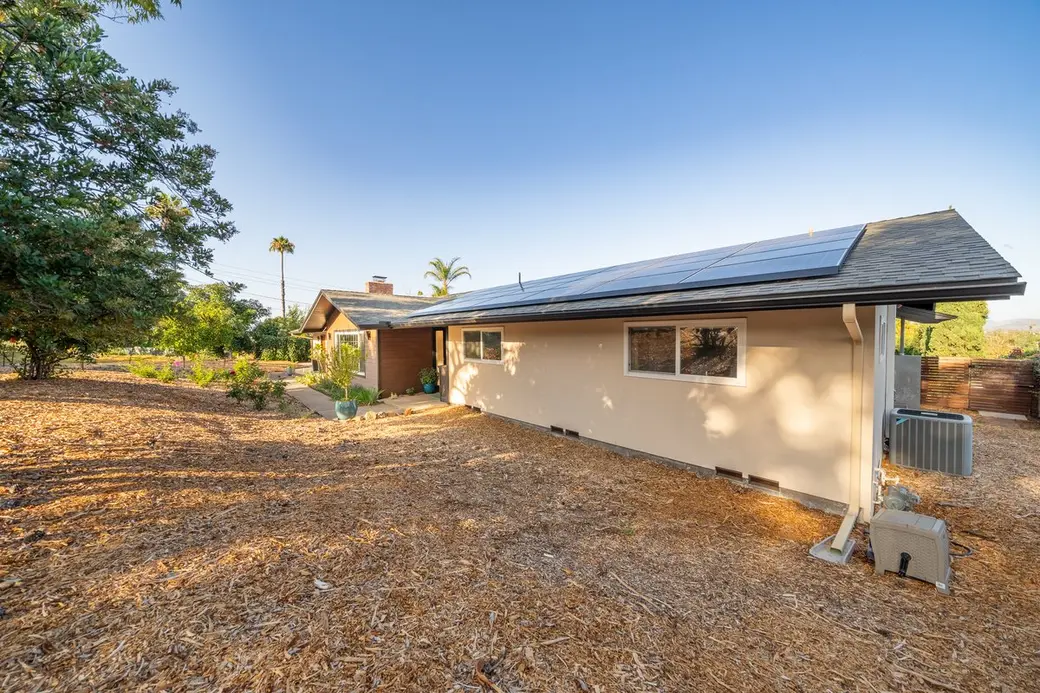
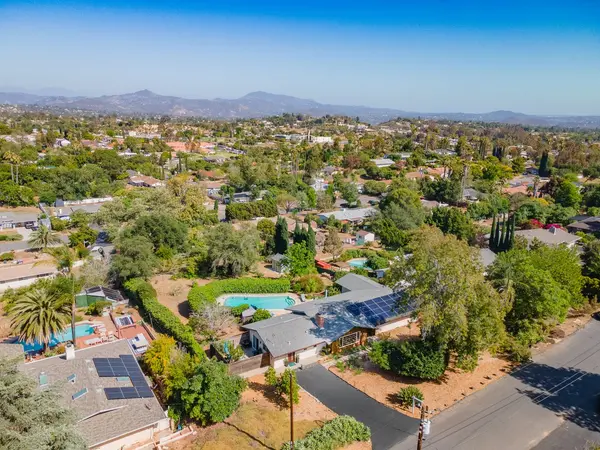
Drive through almost any North County neighborhood and you'll see solar panels on the roofs. With SDG&E bills what they are, buyers like them. But I've seen solar slow down an escrow more than once, and the reason is almost always paperwork. Who owns the panels? Is there a loan or a lease? Which SDG&E plan is the home on?
I've been helping North County buyers and sellers since 1999. Here's what to sort out before you list a home with solar, or before you buy one.
The First Question: Who Owns the Panels?
Fannie Mae's lending rules, which many lenders follow, describe four common setups (Fannie Mae Selling Guide B2-3-04):
| Setup | What it means | How a lender treats it (Fannie Mae) |
|---|---|---|
| Owned outright | Paid cash, paid off, or included in the mortgage | Standard rules apply. The panels are part of the home. |
| Financed with a separate loan | A solar loan uses the panels as collateral | The lender reviews the loan papers and title. The payment counts in the buyer's debt-to-income ratio. Whether the panels add appraised value depends on how the loan is recorded. |
| Leased | You pay a company to use its panels | The panels add no appraised value. The lease payment usually counts in the buyer's debt ratio. |
| Power purchase agreement (PPA) | You buy the power the company's panels make | The panels add no appraised value. Payments based only on power produced may be left out of the debt ratio. |
For leases and PPAs, Fannie Mae also requires the lender to review the agreement. The agreement must make the solar company responsible for roof damage from installation, malfunction or removal, among other terms.
Why this matters: A leased system can't add to the appraisal, and a buyer has to qualify with the lease payment. A seller who thinks "solar adds value" needs to know which kind they have.
Watch for UCC Filings and PACE Liens
Solar companies and lenders often record a notice, called a UCC filing, in the county records. It can show up on the preliminary title report. Fannie Mae explains that a "fixture filing" for a solar loan may need to be subordinated to the new mortgage. A "precautionary" filing on leased equipment only may be acceptable (Fannie Mae B2-3-04).
If the panels were paid for with a PACE loan, which is repaid through the property tax bill, Fannie Mae won't buy the new loan unless the PACE balance is paid in full at or before closing (Fannie Mae Selling Guide B2-3-04). California sellers must also make a good faith effort to disclose these assessments to the buyer (Civil Code 1102.6b).
Seller tip: Pull your solar contract, loan payoff or lease transfer packet before you list. If a payoff or transfer is needed, the solar company's timeline can become your escrow timeline.
Does Net Metering Transfer to the Buyer?
SDG&E solar customers are on one of three plans, each with different bill credits (CPUC, Net Energy Metering and Net Billing):
- NEM 1.0 and NEM 2.0: Older plans, now closed to new customers. Exported power earns credits at retail rates. Customers can stay on NEM 2.0 for 20 years from the date they were connected.
- Net Billing Tariff (NBT): For customers who applied on or after April 15, 2023. Credits for exported power are usually lower than retail rates. Nearly 70% of NBT customers had paired batteries with their solar by the end of 2024. The CPUC says the original customer who connects a system under NBT is guaranteed the plan for nine years.
Good news for NEM homes: SDG&E's NEM 2.0 tariff says systems eligible for the 20-year transition period don't lose eligibility when transferred to a new owner, as long as the system stays at its original location (SDG&E Schedule NEM-ST). Buyers should ask the seller for the interconnection date to see how many years are left.
For homes on the newer NBT plan, ask SDG&E how the plan and its legacy period apply after a sale.
A Tax Credit Change Buyers and Sellers Should Know
The federal 30% Residential Clean Energy Credit ended for systems placed in service after December 31, 2025 (IRS, Residential Clean Energy Credit). If you're buying a home and planning to add solar or a battery, don't count on that credit. Also, used systems never qualified, so a buyer can't claim the credit on panels that came with the home.
What Sellers Should Gather Before Listing
- Ownership proof: Paid invoice, loan statement or lease/PPA agreement.
- Payoff or transfer info: The solar company's payoff letter or lease transfer process.
- SDG&E details: Your plan (NEM 1.0, NEM 2.0 or NBT) and interconnection date.
- 12 months of electric bills, including your true-up statement.
- Warranties: Panels, inverter, battery and any roof penetration warranty.
- Permits: The final building permit for the system.
What Buyers Should Ask During Escrow
- Is the system owned, financed, leased or a PPA?
- If it's leased, what is the monthly payment, how many years are left, and does the payment go up?
- Is there a UCC filing or PACE lien on the title report?
- What SDG&E plan is the home on, and when was it connected?
- How old is the roof under the panels? Removing and reinstalling panels for a roof job costs extra, so get a quote during your inspection period.
Frequently Asked Questions
Do solar panels increase home value? Owned panels can add value, based on standard appraisal rules. Under Fannie Mae rules, leased panels and PPA systems add no appraised value.
Can I sell my house if I have leased solar panels? Yes. Common options are for the buyer to take over the lease or for the seller to buy it out, depending on the lease terms. The buyer's lender will review the agreement, and the payment usually counts in the buyer's debt ratio.
Does SDG&E net metering transfer to a new owner? For NEM 2.0, SDG&E's tariff says the 20-year period stays with the system if it remains at its original location. Confirm the details with SDG&E.
Can I still get the federal solar tax credit? Not for systems placed in service after December 31, 2025, per the IRS.
What is a UCC filing on solar panels? A public notice that a company claims an interest in the panels. It can show up on the title report, and your escrow officer and lender will handle it based on its type.
Selling or Buying a Home With Solar?
I'll help you sort out the solar paperwork up front, so it doesn't hold up your closing. Call or text me at 760-521-4880.
Utility tariffs, lending rules and tax laws can change. Confirm details with SDG&E, your lender and your tax advisor. This article is general information, not legal, tax or financial advice.
Eddie Lagunas, Broker Associate, eXp Realty | DRE #01273510 | 760-521-4880
Categories
Recent Posts